

Series ALLUSIONS, IMAGES, SYMBOLS with Pastor Mark Finley |
Lesson 7.Foundations of Prophecy |
The Glory of God and the Call to Proclaim – A Glimpse Behind the Veil of Eternity |
Lesson 7 takes us deep into the heart of biblical prophecy—not merely as foretelling the future, but as an encounter with the living God. When God reveals Himself, it is not primarily to convey information, but to transform hearts. The prophets of Scripture were themselves first transformed before being sent—like Isaiah, who, in the light of God’s holiness, became painfully aware of his own sinfulness. The cherubim, symbols of divine nearness and majesty, remind us that true prophecy is born out of God’s presence. In a world crowded with competing voices, this lesson invites us once more to listen to the voice that issues from the throne. For only those who have beheld God’s glory can speak of Him with credibility.
Memory Text: Isajah 6:8 – “Also I heard the voice of the Lord, saying: ‘Whom shall I send, and who will go for Us?’ Then I said, ‘Here am I! Send me’ ”
Content:
7.1 “Here I Am—Send Me!”
Cleansed, Called, Sent—Isaiah’s Response to God’s Grace
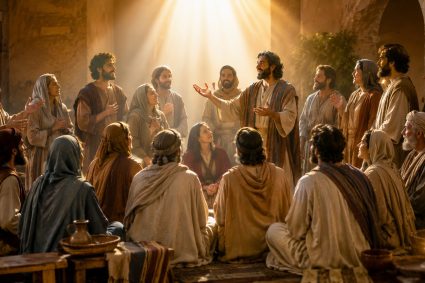
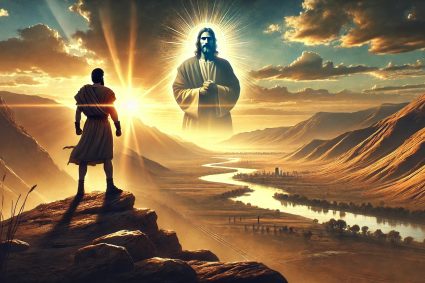
Isaiah’s call did not begin with his willingness, but with an honest encounter with God’s holiness. Confronted by divine glory, he saw his own unworthiness—a realization that humbles every human heart. Yet God did not leave him in the dust of his sin: a burning coal touched his lips, cleansing him and equipping him for service. This forgiveness changed everything—from a reluctant bystander into a volunteer. His famous words, “Here am I; send me!” show that true calling is only possible once the heart has been purified. Likewise, through Christ’s grace we too can boldly say “Yes” to God’s call in the world.
7.2 The Two Cherubim
The Cherubim at Eden’s Gate—Guardians of Life, Signs of Hope
The two cherubim stationed at the entrance to the Garden of Eden were not only guardians but also a prophetic symbol of hope. Placed at the eastern gate and suffused with divine glory, they recall God’s presence above the mercy seat, flanked by cherubim in the tabernacle. Although they barred access to the Tree of Life, they also held out a promise: the way back to God was not lost forever. Even in the expulsion lay the promise of redemption—made visible by the light between the cherubim. These heavenly beings announce not only judgment but also grace, pointing forward to Christ, who by His sacrifice would reopen the path to paradise.
7.3 Like Burning Coals of Fire
Fire, Wings, and Glory—A Vision of God’s Throne
The cherubim—mysterious creatures of light and motion—are always depicted in Scripture as close to God’s throne. In Ezekiel’s vision they burn like coals of fire, revealing God’s overwhelming majesty even in the midst of Babylonian exile. Despite the darkness of their situation, this scene reminds us that God’s rule remains supreme—even amid chaos. Parallels in Isaiah and John show that God’s holiness is unchanging, His presence both awe-inspiring and comforting. When we stand before this holiness, we recognize our own fragility—and our desperate need for grace. The cherubim remind us that God is both just and merciful, and that His glory does not abandon His people, even in exile.
7.4 God Among His People
God at the Center—from the Wilderness to Eternity
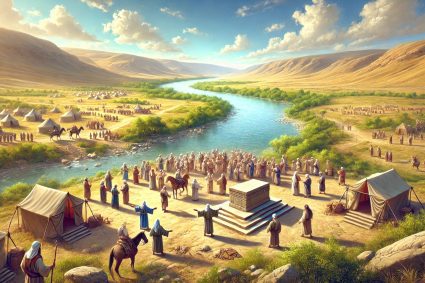
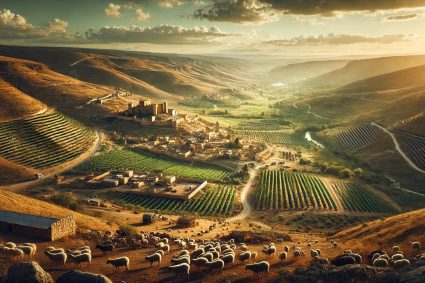
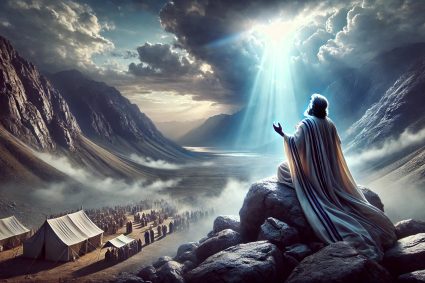
The layout of Israel’s camp around the tabernacle was no accident, but a divine message: God intended to dwell in the very center of His people. Each tribe had its place surrounding the sanctuary—ordered, connected, and meaningful. Rabbinic tradition assigns each tribe a symbolic image (lion, man, ox, eagle), echoing the four living creatures of Ezekiel and Revelation—as if heaven itself were foreshadowed in the wilderness. This pattern extends to the New Jerusalem, where God again dwells at the center and His people gather around Him. Today, God still calls us to place Him at the center of our lives. Intimacy with Him is not created by geographical arrangement but by devotion, worship, and genuine community.
7.5 The Fall of Lucifer
From Throne to Fall—Lucifer’s Pride and Christ’s Victory
Lucifer’s fall is among the greatest tragedies of creation. Once a covering cherub in God’s immediate presence, he fell into rebellion through pride and self-exaltation. Ezekiel and Isaiah portray this descent as a shift from light to darkness, from praise to accusation. In stark contrast, Revelation 14 shows the redeemed, saved by the Lamb’s blood, standing on Mount Zion—where Lucifer once stood. God’s grace is so vast that fallen humanity is not only forgiven but also appointed heirs—filling the gap left by the fallen angels. This grace compels us: our task is to carry this gospel to all nations with clarity, humility, and passion.
7.6 Summary
When Heaven Touches Earth—God’s Voice in Prophecy
Lesson 7 has explored the prophetic foundations that testify to God’s nearness, holiness, and love. From Isaiah’s call we see that true prophecy always springs from an encounter with God’s glory and the experience of forgiveness. The cherubim—guardians of the sanctuary and symbols of divine presence—thread through all biblical prophecy, pointing to God’s desire to dwell among His people. From Eden to Revelation, we learn: God reveals Himself to save, not to destroy. Lucifer’s fall warns us where pride leads, while the redeemed are called back to the throne by the Lamb. Prophecy is not an end in itself but God’s invitation to hear His voice—and to follow.

(Visited 9 times, 1 visits today)